How Digital Identity Unification Reduces Cyber Threats


Digital identity unification reduces cyber threats by closing small, scattered doors or loopholes hackers love and replacing them with one highly secured door that is watched and monitored closely, all the time. Data breaches do not start with genius hackers. They start with:
- Forgotten password
- Reused login
- Old account nobody remembered to shut down.
Unify the identity, and by this unification companies can remove the very thing attackers are counting on. This one sentence is whole idea. But understanding why it works and where it still fails is important. This is what we will be explaining in this page.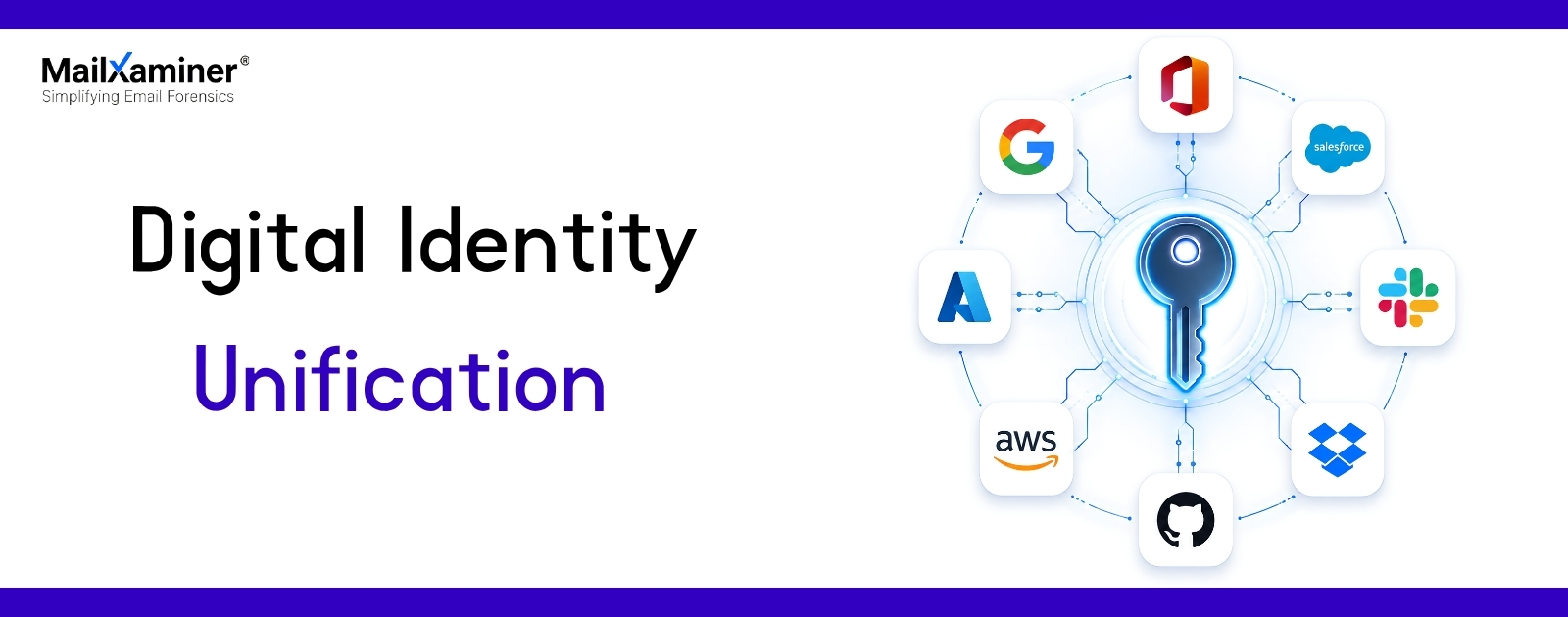
What Digital Identity Unification Means
Think of an apartment building. Now think two versions of it.
- First version: Every tenant gets one key. That opens lobby, mailbox, gym, and their own front door. If you lose it, the building knows in seconds. Change it, and every door updates at once.
- Second version: Every tenant carries fifteen separate keys. One for each door, nobody remembers which key goes where. Half of the tenants tape a spare under a doormat. That is not a building. That is an invitation.
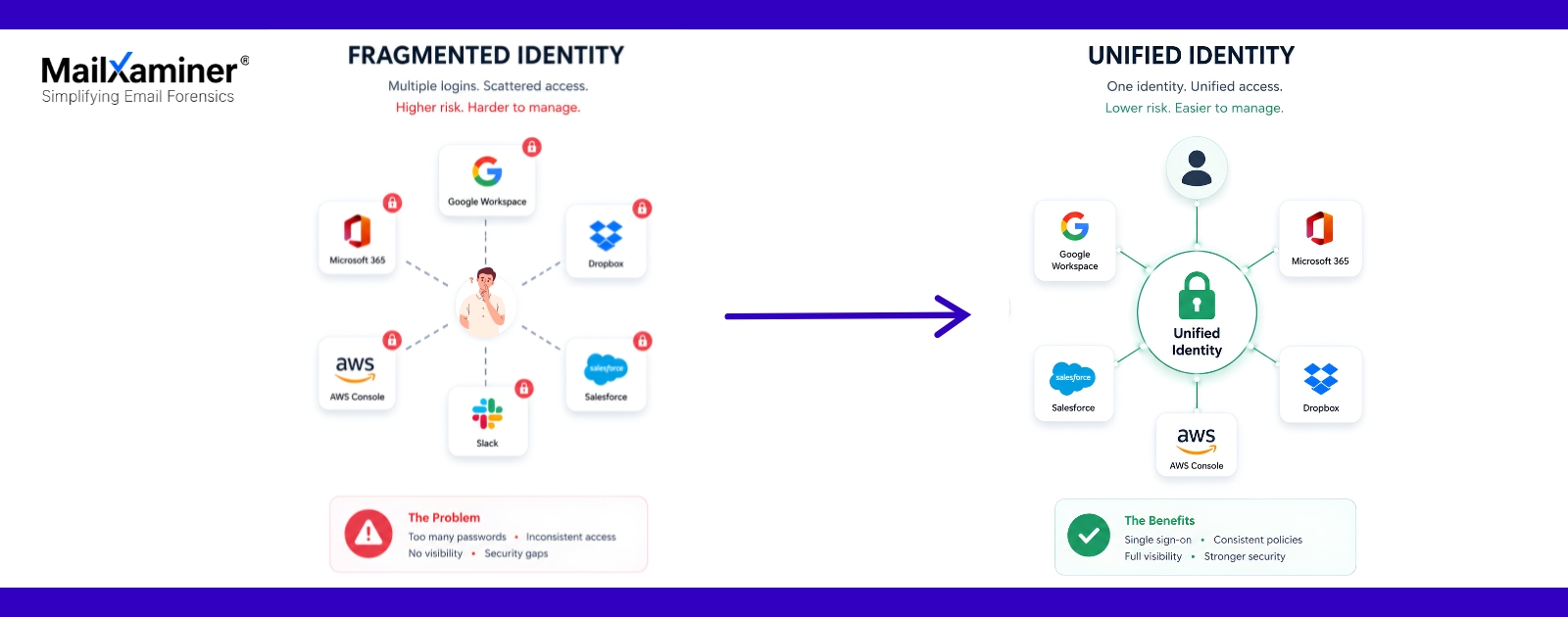
Digital identity unification is first building. This means every person in an organization has one verified identity that controls access to every app, file, and system. Instead of separate logins scattered across separate services. One identity and one set of rules.
Related Read: Admissibility of Tampered Video Evidence in Court
Scattered Identities (Hacker’s Best Friend)
Uncomfortable truth: Attackers do not need to be brilliant. They just need one weak loophole or an entry door in building full of them.
Note: According to Verizon’s 2026 Data Breach Investigations Report, one of the most comprehensive breach studies in the industry. Six in ten confirmed breaches involve some form of human element.
- Stolen password.
- Tricked employee
- Reused login.
- Credential-related access.
- Spanning phishing
- Credential abuse
- Pretexting
These remains one of most common ways attackers get their first foot in the door. Think about what “scattered identity” means in normal company. Employee has a Gmail login, Slack login, CRM login, an old contractor tool no one deactivated, and a spreadsheet password is getting reused since 2019. Every single one of those is a separate lock, and are cheap locks.
By the Numbers
- Human-related factors: Stolen credentials, phishing, and social engineering is involved in majority of confirmed data breaches industry-wide.
- Third-party and vendor-related access: This plays a role in half of all breaches, a sharp rise from previous years.
- Mobile-based phishing attempts: They are at notably higher rates than traditional email phishing, according to same report.
Fragmentation do not create more locks. It creates more locks not being watched. That is real cyber risk wrapped inside identity fragmentation, not one big weakness, but many of small, unmonitored ones.
Smarter Verification Catches Imposters Faster
A unified identity system do not check password once and walk away. It keeps an eye. It notices when “you” suddenly logs in from a country you have not visited, on a device it’s never seen, at 3 a.m. your time. This is behavioral pattern recognition, and it is the biggest reason unification actively reduces cyber threats instead of just organizing them.
Fragmented systems, by contrast, usually can’t see this at all. Each app only knows its own tiny slice of your behavior, never the full picture.
Related Read: Forensic Analysis of Email in Cybersecurity
Faster Response When Something Goes Wrong
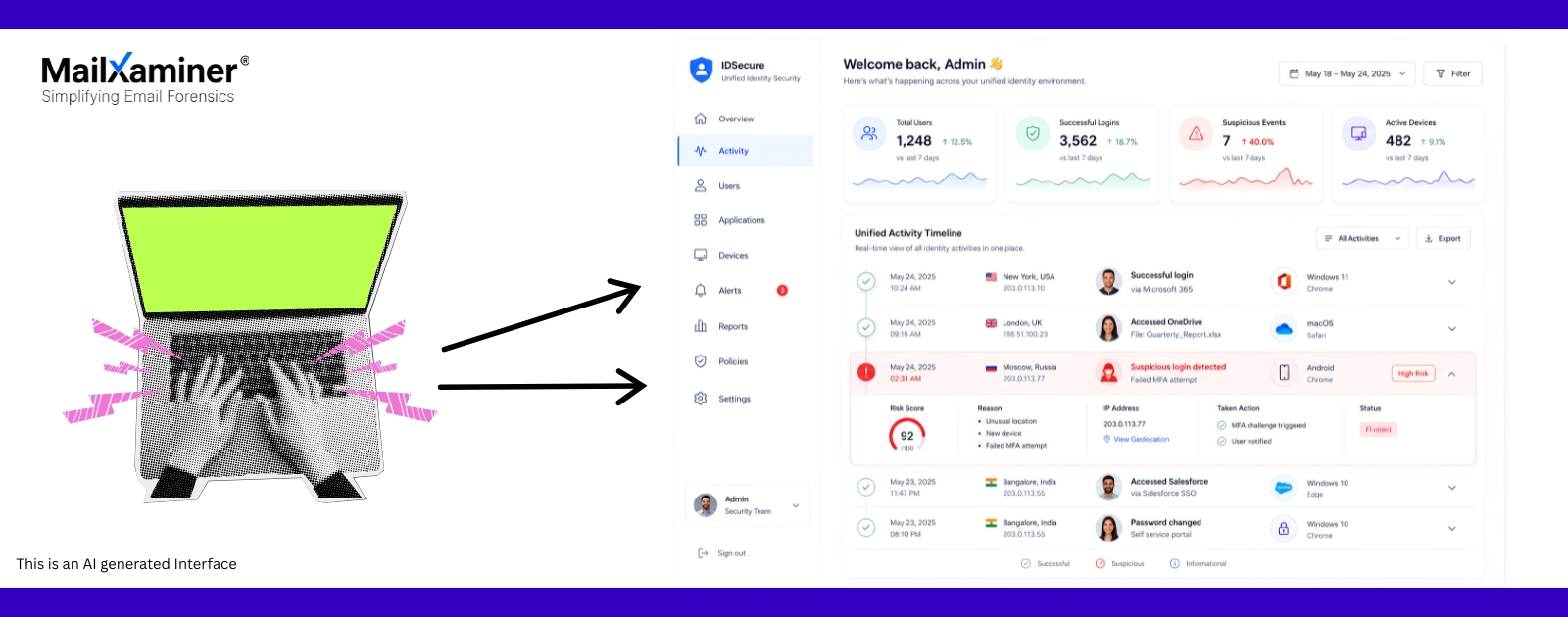
Speed decides how bad breach can get. Threat that is detected in minutes costs less than one caught in months. With unified identity, every login, access and unusual action gets visible into one dashboard. Security teams do not look together clues from twenty different systems. They look at one clear timeline.
That visibility is the difference between stopping intruder at front door and finding out three months later they have been living in the building.
Real-World Cost of Identity Chaos
Numbers make this real. Single compromised identity do not stays contained to one account. It becomes entry point attackers use to move sideways, into:
- Finance systems
- HR records
- Client data.
Third-party and vendor access is now involved in close to half of all breaches. This means your identity risk is not just employees anymore. It is every partner, contractor, and connected app with a login into your world.
This is why unification is important at the architecture level, not at just password level. It is not about typing fewer passwords. It is about giving fewer strangers fewer ways in.
Where Unification Has Blind Spot
Here is the most honest part most blogs will not tell you: unification reduces risk. It do not eliminate it. Unified identity is still a target, a bigger one, because it now guards door to everything. If an attacker successfully gets one identity through a convincing phishing email or a cleverly timed social engineering call.
Unification will not be able to stop what already happened. It can only limit the damage and leave clearer trail behind. That trail matters and it’s exactly where the next part of this story begins.
What To Do the Moment You Suspect a Breach
If an identity-based attack does get through, speed and evidence are everything. Three things matter immediately:
- Contain it fast: Revoke compromised identity’s access before it spreads further.
- Preserve evidence: Do not delete or “clean up” affected accounts before investigating; you will destroy the trail.
- Investigate actual communication: Identity attacks begin and unfold inside email. That is where the real story lives.
This is how digital identity unification reduces cyber threats.
Why Email Is Still Ground Zero for Identity Attacks
Despite every new attack channel that emerge, email remains the way most identity-based attacks begin and way most of them are proven.
- Phishing links
- Spoofed executive requests,
- Credential-harvesting pages always arrive.
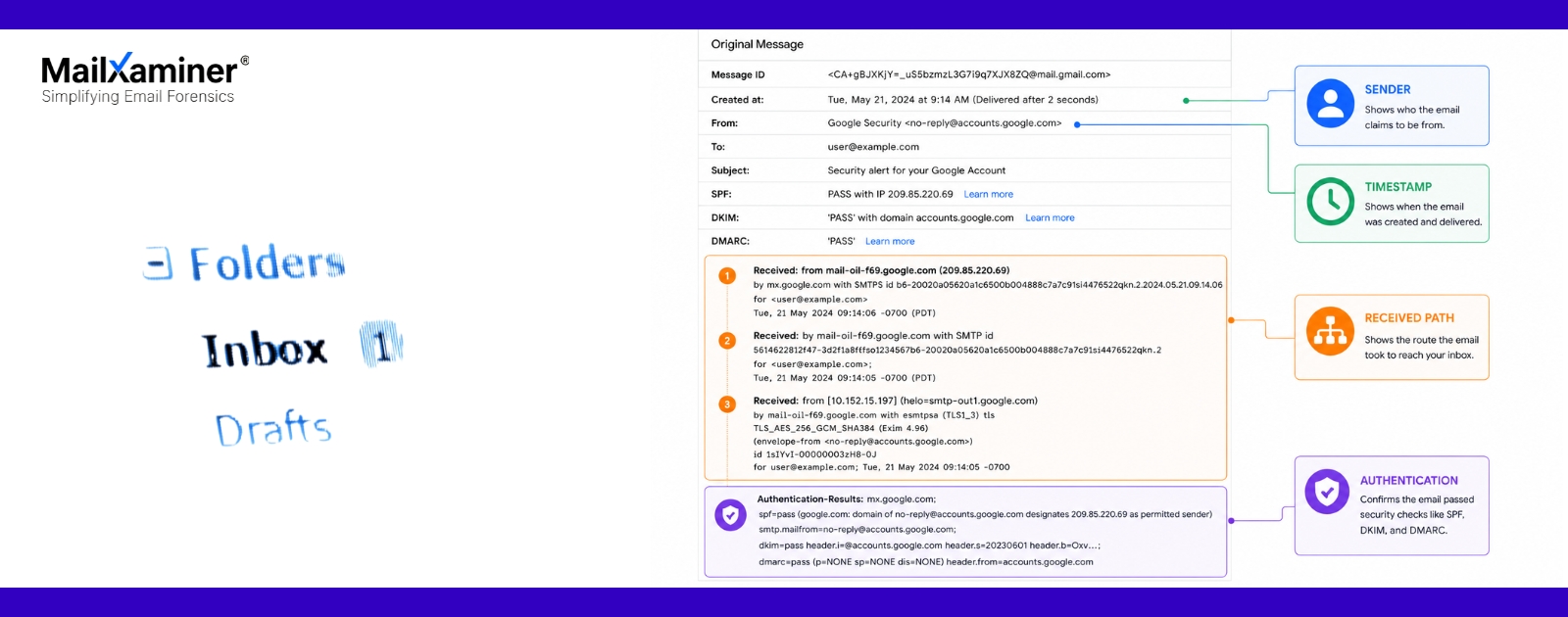
This often unravel, through an inbox. That makes the email trail most valuable piece of evidence after a suspected identity compromise. Every header, timestamp, and attachment tells part of story of what really happened, and who was really behind it. To execute all this and to find the real villain, organizations and government institutions prefer email forensics software to speed up evidence analysis. That can be presented in court.
Related Read: Email Header Analyzer Tool
Wrapping Up
Digital identity unification is strongest wall organizations can build against everyday cyber threats. It closes the scattered doors, shrinks attack surface, and gives security teams clear place to watch. But no wall is perfect, and the time one is tested, real question becomes: can you prove exactly what happened?
Frequently Asked Questions
Q: Does digital identity unification stop all cyberattacks?
A – No system does. It reduces number of ways, but skilled phishing and social engineering can still succeed occasionally, this is why investigation capability matters alongside prevention.
Q: What is the fastest first step after a suspected identity breach?
A – Revoke access to compromised identity immediately, then preserve, do not delete, every related email and account log for investigation.
Q: Why focus on email specifically during an identity investigation?
A – Most identity-based attacks begin, unfold, or leave evidence inside email communication, making it richest source of proof what actually happened.